Wanting to Be Sustainable, But Not Always Being Allowed To

I care deeply about sustainability. Not because it sounds good at birthday parties, but because it simply makes sense. Waste less, use energy more intelligently, think a little ahead. That’s something I’ve been trying to do at home for years.
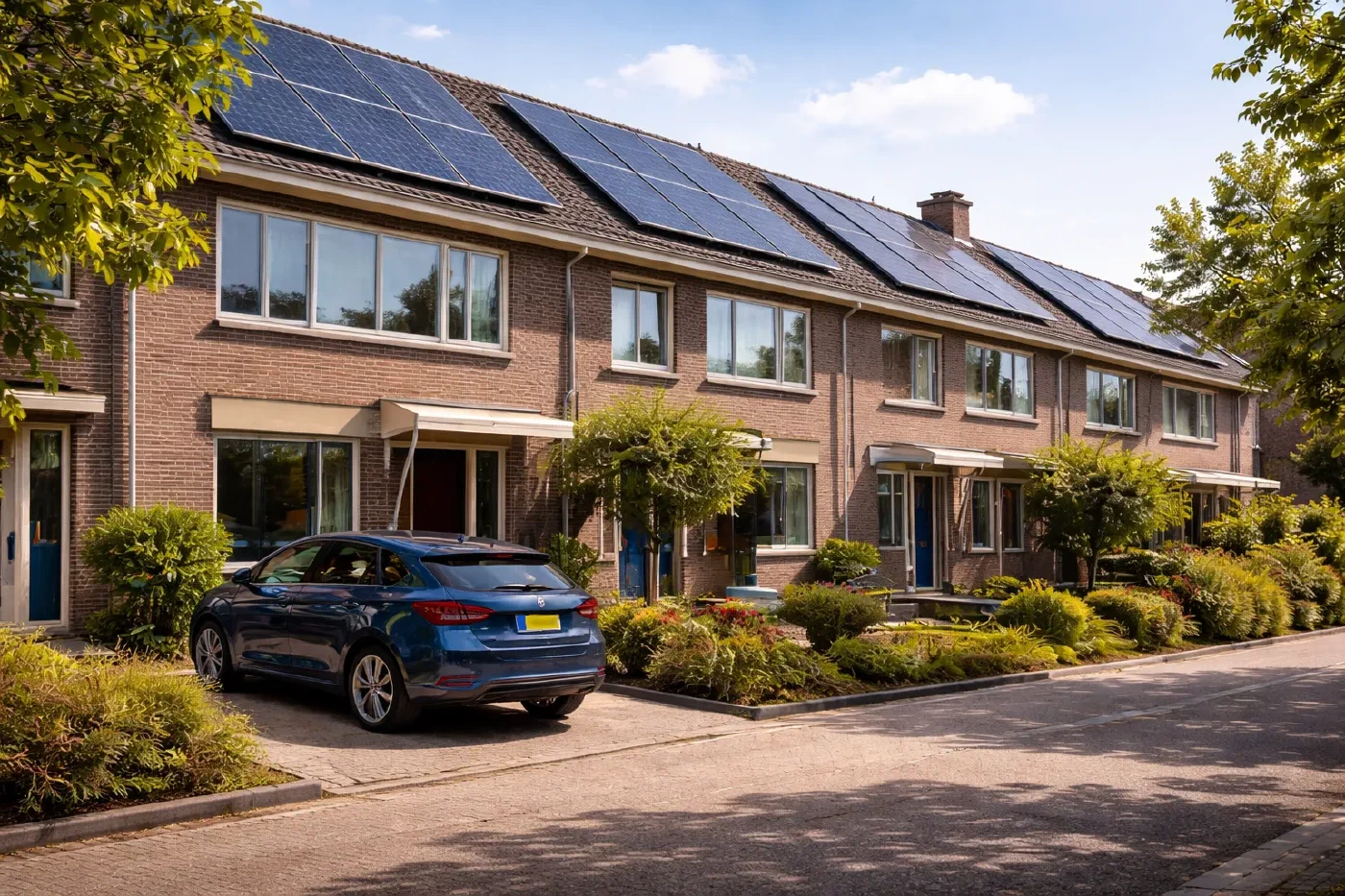
My roof has been covered with solar panels for quite some time now. I was, and still am, genuinely happy with that. There’s something reassuring about the idea that the sun is quietly burning down my energy bill. At least, there was. In the meantime, the government has made owning solar panels considerably less attractive. Net metering is being phased out, feed-in compensation is decreasing, and additional costs are being introduced. The sun still shines just as brightly, but the enthusiasm has dimmed somewhat.
Using It Yourself Is the New Saving
My preference is simple: I want to use as much of the electricity I generate myself as possible. It feels fair, efficient, and sustainable. In practice, however, I’ve run into a rather solid obstacle.
I live in Leeuwarden, and here I’m not allowed to run a charging cable across the sidewalk to my car. That’s unfortunate, because technically the problem is small. Practically too. In other municipalities in the Netherlands it is allowed, often under clear conditions: a cable duct, proper covering, safety agreements. Perfectly manageable.
But in the Frisian capital, the answer for now is no. Full stop.
The result is that I can’t use my own solar power optimally. No private charging point, no smart daytime charging, no direct link between sun and mobility. The surplus electricity flows back into the grid — which is already overloaded during peak moments. I want to, but I’m not allowed to.
And yes, that can make you a little cynical. Talk about “blocking Frisians.” Although, of course, it’s really policy doing the blocking.
Creative Sustainability, Out of Necessity
Until things change, I have to solve it creatively. Timing appliances smartly, running laundry when the sun shines, trying to balance peaks and valleys. Fun as an experiment, but it also feels like a missed opportunity. Especially now that everyone is talking about grid congestion and smarter energy use.
The frustrating part is that the solutions already exist. The technology is mature, the demand is real, and the motivation among residents is there. Only the rules are lagging behind. And rules are stubborn, especially once they’ve been written down.
I recognize that tension from elsewhere. In my article Digital Dependency in Emergency Situations, I wrote about how systems we rely on can suddenly prove fragile. That was about digital infrastructure, but the underlying feeling is the same: you think you’ve arranged things properly, until you realize you depend on regulations and structures beyond your control.
Energy is no different. You invest in solar panels, believe you’ve put your affairs in order, and then discover that local policy determines how far you’re allowed to go. Technically, a lot is possible. Administratively, sometimes surprisingly little.
Maybe that’s the common thread: not a lack of willingness among residents, but a system that isn’t yet fully aligned with what people are now able — and willing — to do. And so you end up maneuvering creatively within the lines that currently exist.
And Then There’s the Boiler
As if that weren’t enough, my boiler has decided it’s ready for retirement. It still works, but with noticeable reluctance. Over the past few days, I’ve had several installers over to discuss a replacement.
Here too, I’d prefer to take a sustainable step. A heat pump, perhaps hybrid, or a solution that works intelligently with my solar panels. Less gas, or ideally none at all, more self-generated electricity, future-proof. Not only better for the environment, but also sensible in the long run.
If you want to dive deeper into how heat pumps work, Milieu Centraal (Dutch only, sorry) offers clear explanations. And for the current state of net metering and related regulations, the Dutch government provides information at rijksoverheid.nl.
I haven’t received the quotes yet, but one thing is already clear: it’s going to cost money. Not a small amount either. Still, I try to look at it positively. A modern heating system increases the value of the house. And comfortable living without guilt at every hot shower has its appeal too.
Between Wanting and Being Able
What stands out to me in this entire process is the tension between wanting and being able. As a resident, you want to become more sustainable. As a government, you encourage citizens to do so. But in practice, regulations, policy, and daily reality constantly clash.
I want to use my own electricity, but I’m not allowed to lay a cable.
I want to get off gas, but the investment is substantial and subsidies keep changing.
I want to contribute to a more stable energy grid, but I can’t deploy my surplus intelligently.
It grates. And at the same time, it’s a fascinating snapshot in time. We are in the middle of an energy transition that is moving faster than the rules can keep up with.
Questions Worth Pausing For
Perhaps it’s good to end with a few questions, simply to reflect on:
- How logical is it that sustainable behavior is slowed down by local regulations?
- Should every municipality keep reinventing this, or is national clarity needed?
- How much motivation is lost when people want to act, but aren’t allowed to?
- And perhaps most importantly: how do we prevent good intentions from getting stuck on paper?
To be continued. Once the sun shines again, the boiler gives up, or Leeuwarden changes its mind.